
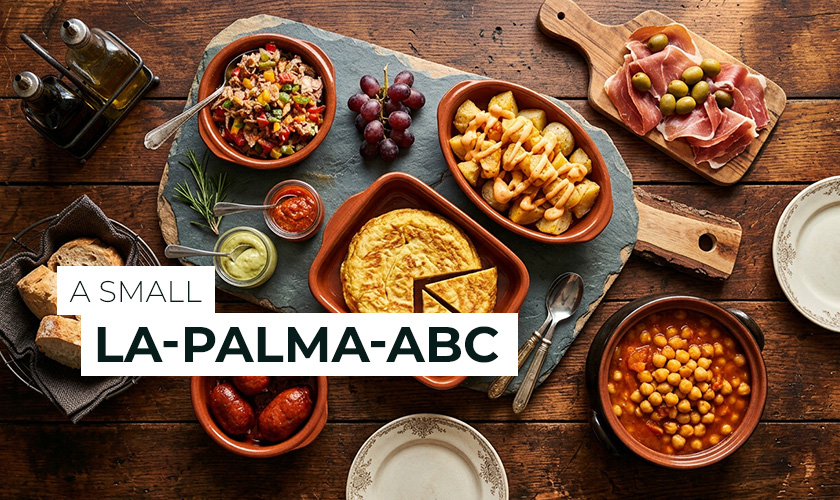
“A coffee, please”
“Cortado natural, leche leche, americano, or café solo?”
Even though the Canary Islands are part of Spain, there are still small linguistic and cultural differences. Even as a visitor with only a basic knowledge of Spanish, you’ll notice this in everyday life. Because whether you’re ordering a coffee in Los Llanos, a beer in Puerto Naos, or a stew in Puntallana—you’ll repeatedly come across terms that are unique to the Canary Islands.
To help you get ready for the perfect vacation, I’d like to give you a hand—with a brief ABC of terms you’re sure to come across during your trip. Let’s get started!
1. How about a little caffeine?
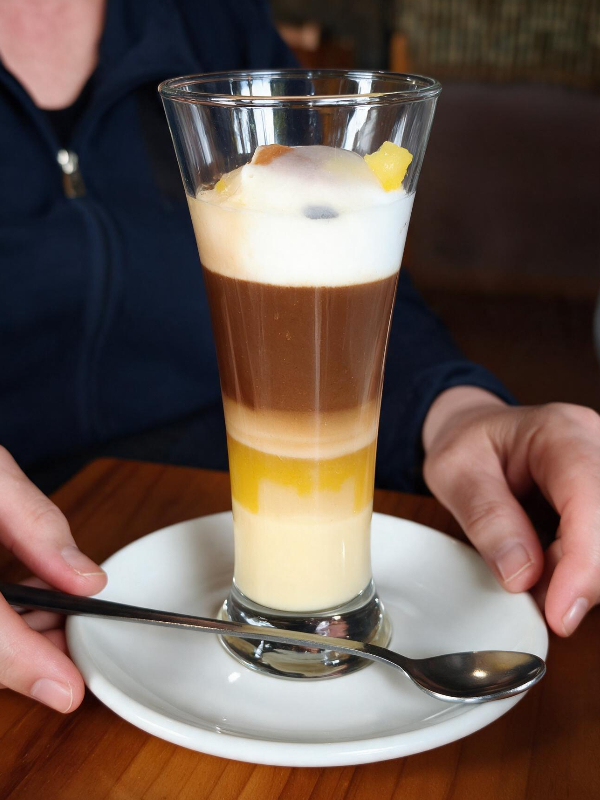
Let’s start with one of the most famous drinks in the Canary Islands. The barraquito is much more than just a cup of coffee. It consists of several layers and is a little work of art in a glass:
· sweetened condensed milk
· Liqueur 43
· espresso
· frothed milk
· a little lemon zest
· cinnamon
That’s why a barraquito isn’t recommended before a bike ride—the liqueur makes it more of a cozy treat to enjoy in the afternoon or after dinner.
If you’d rather start your morning like many locals do, order a cortado natural (also known as cortado con leche) or a leche y leche. This is an espresso with regular milk, or a mixture of regular milk and sweetened condensed milk. Much simpler than a barraquito, but just as typical of the Canary Islands.
Our tip: Almost every café prepares its barraquito just a little differently, so it’s worth trying a few to compare 😉
2 When we stop for a break along the way…
After a few hours on the bike, hunger eventually sets in. And that’s exactly when you’re likely to come across these classics.
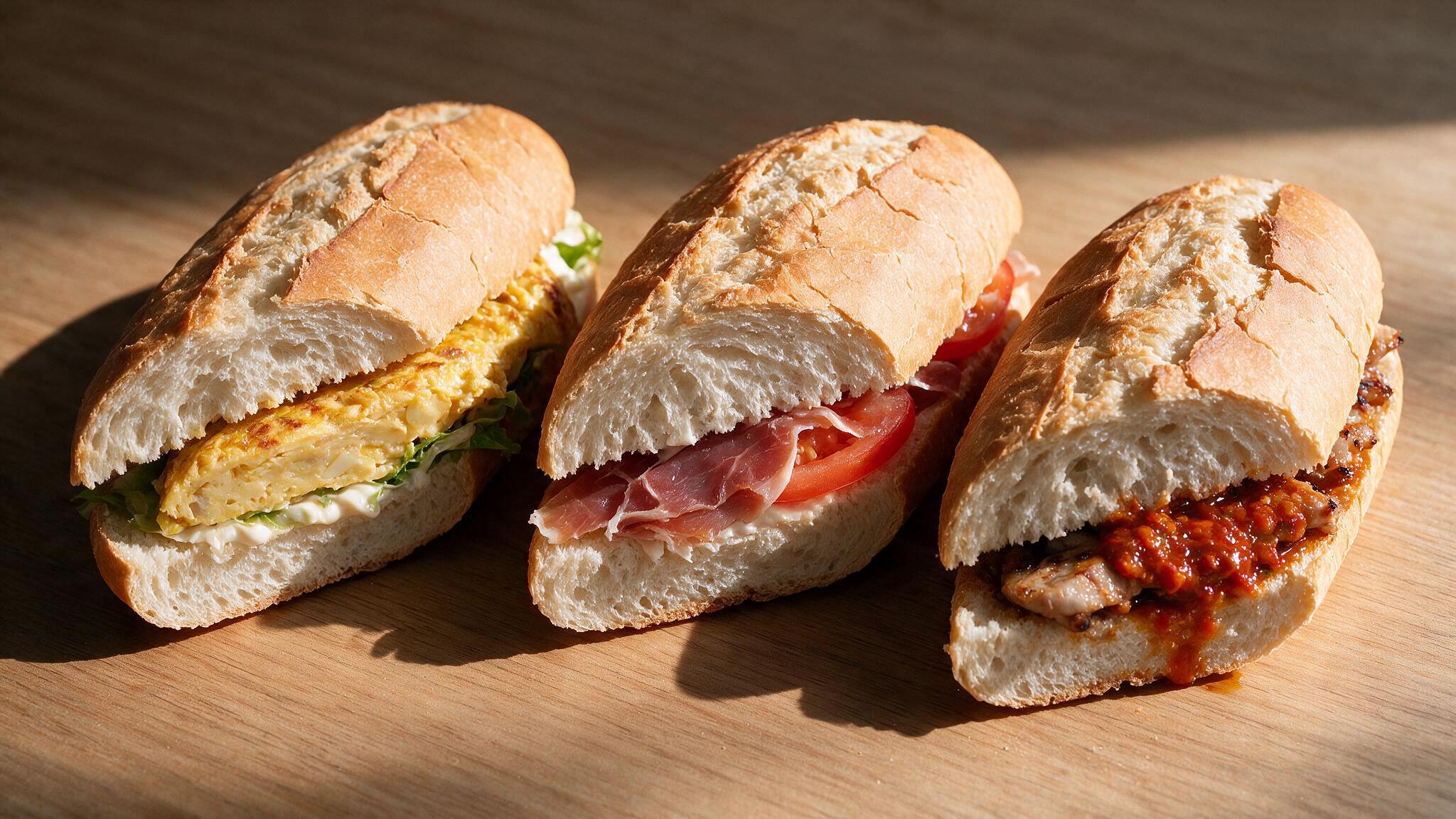
Un, dos, tres Bocadillo Corazon
A bocadillo is Spain’s classic baguette sandwich. Depending on the bar, you’ll find variations with Serrano ham, cheese, tortilla (an egg omelet in the French version, an egg-and-potato omelet in the Spanish version), carne y mojo (pork with a local paprika sauce), chicken, pork loin, or many other ingredients.
The best part?It’s often the most unassuming little bars that make the best bocadillos. From the outside, they sometimes look more like a village bar than a restaurant—and that’s exactly where the culinary highlights are often hidden.
My advice: Listen to your guide. 😉 Over the years, we’ve explored every corner of the island and know plenty of insider tips.
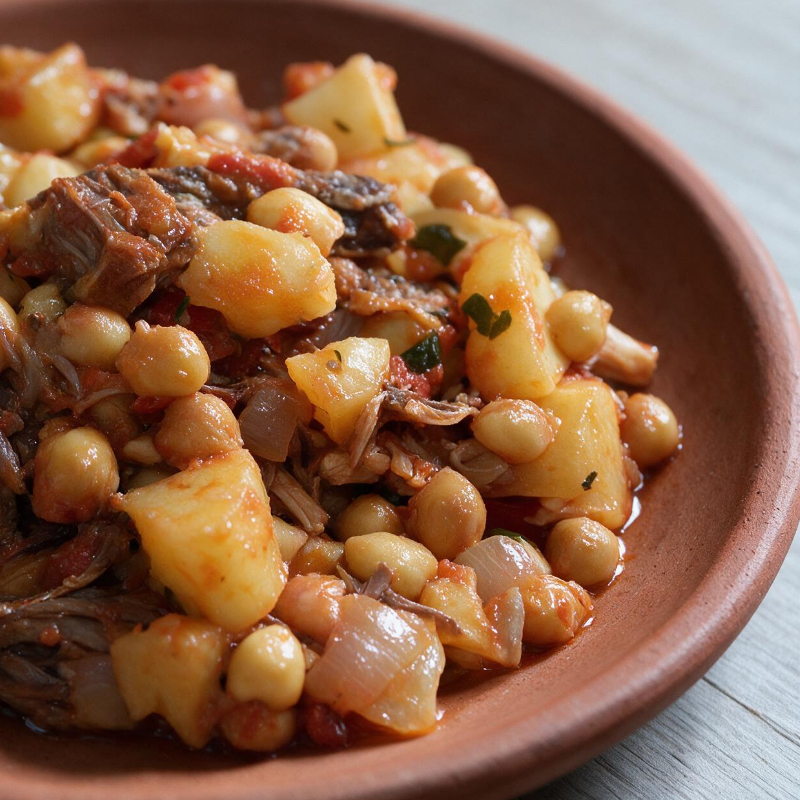
Ropa Vieja
Don’t worry—you won’t be served “old clothes.” Although ” ropa vieja ” literally means ” old clothes,” it’s one of the most popular traditional stews in the Canary Islands.
The recipe varies slightly depending on the family and restaurant, but it usually consists of slow-braised beef, chickpeas, potatoes, and vegetables— nicely seasoned and wonderfully hearty. Especially on cooler days in the mountains, it’s just the thing to recharge your batteries and is the perfect comfort food.
The Venezuelan Influence: Arepas & Cachapas
Many visitors are surprised by how often Venezuelan food is offered on La Palma.
The reason lies in history: Over many decades, many people emigrated from the Canary Islands to Venezuela. Later, many families returned to the islands—and brought their cuisine with them.
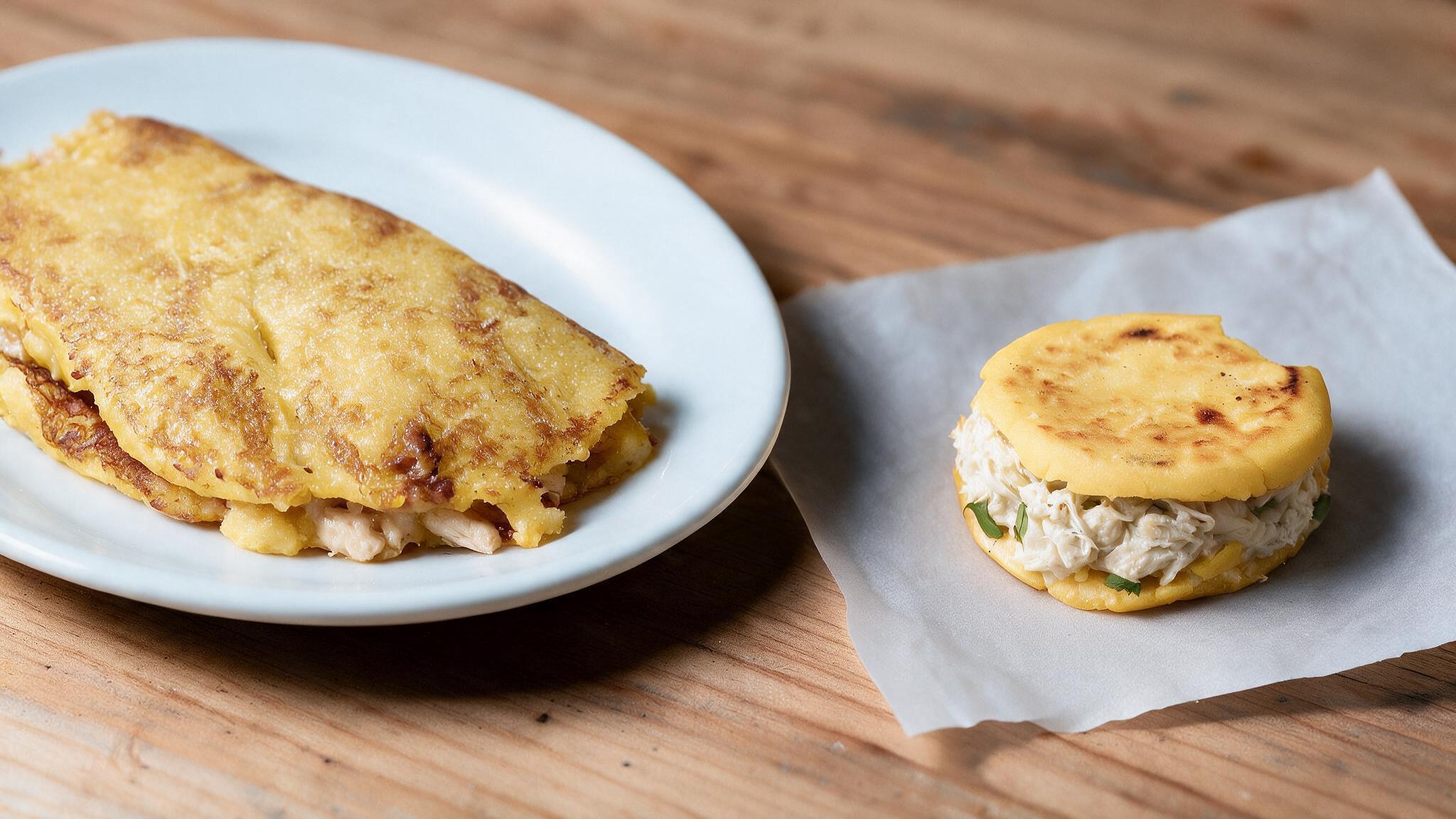
That’s why arepas and cachapas are now almost a given on La Palma’s culinary scene.
Arepas are round corn flatbreads that are cut open and filled with cheese, meat, chicken, avocado, or many other ingredients.
Cachapas are also made from corn, but are prepared using fresh corn dough. They’re somewhat reminiscent of a thick pancake and are usually served with melted cheese or meat.
When we stop for lunch, you’ll often find these two dishes on the menu. The most popular version is the Reyna Pepiada con queso amarillo y salsa verde: a creamy chicken dish with cheese and a green sauce made from avocado.
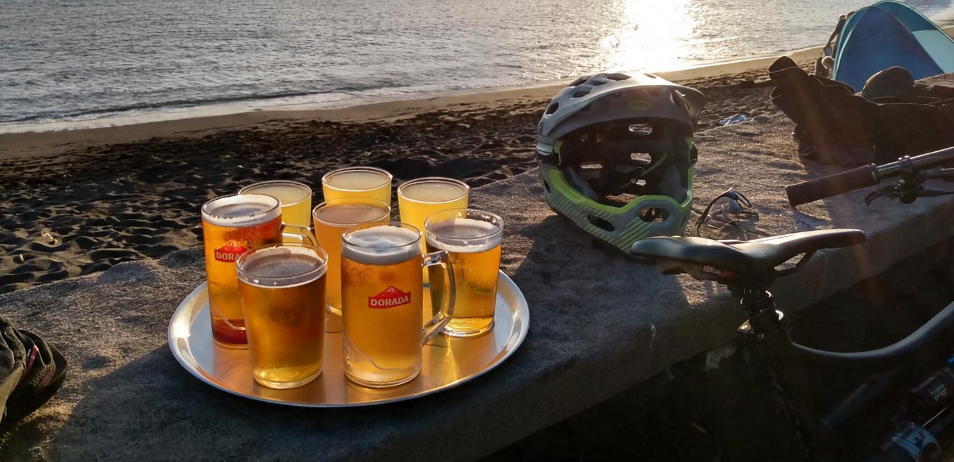
3.End of the day? Time for a cerveza!
Some days, we end our tour at a beach bar and enjoy a well-deserved refreshment. And here are a few terms that will help you find your way around.
Beer is called ” cerveza” in Spanish . Many people confuse the name with the Italian word ” birra,” but it’s usually understood anyway. Right after that comes the question:
¿Caña o Jarra?
· Caña – a small draft beer.
· Jarra – a large beer.
· Clara – beer mixed with lemonade.
Here’s a little tip: Locals often drink Dorada (preferably Especial) or Tropical—both are perfect for a relaxing evening after your ride.
4When we go out to eat together in the evening…
In typical local restaurants, there are a few things you’ll always find. It starts right away with the obligatory bread roll with aioli as soon as you sit down at the table, and continues immediately with another classic sauce:
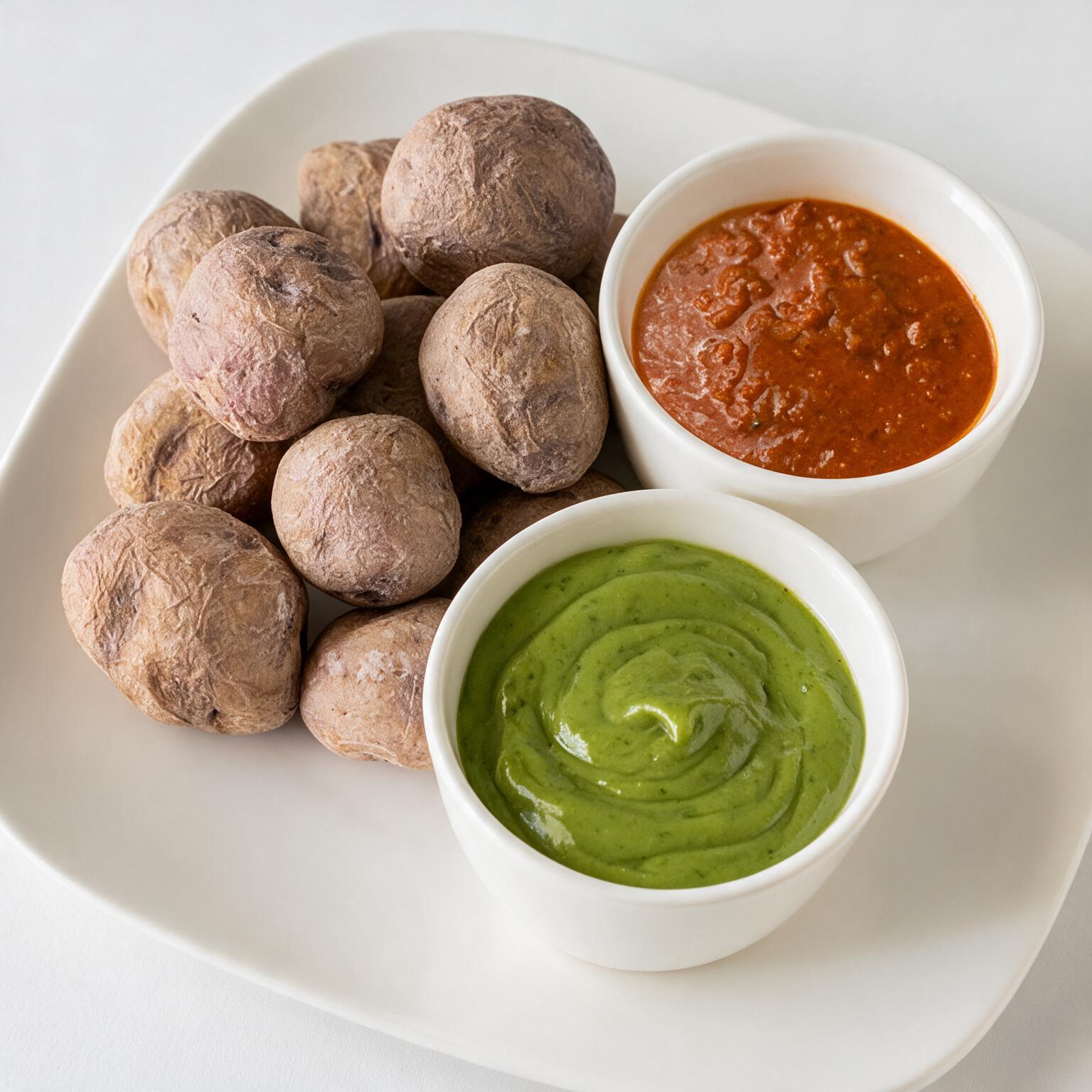
Mojo
Mojo is the most famous sauce in the Canary Islands. It’s made from bell peppers and comes in two main varieties:
· Mojo Rojo – spicy and perfect with potatoes and meat.
· Mojo Verde – fresh, usually made with cilantro or parsley, and ideal with fish.
A MUST-TRY with the famous papas arrugadas —the small salted potatoes that are a staple on practically every Canarian menu.
Queso Asado
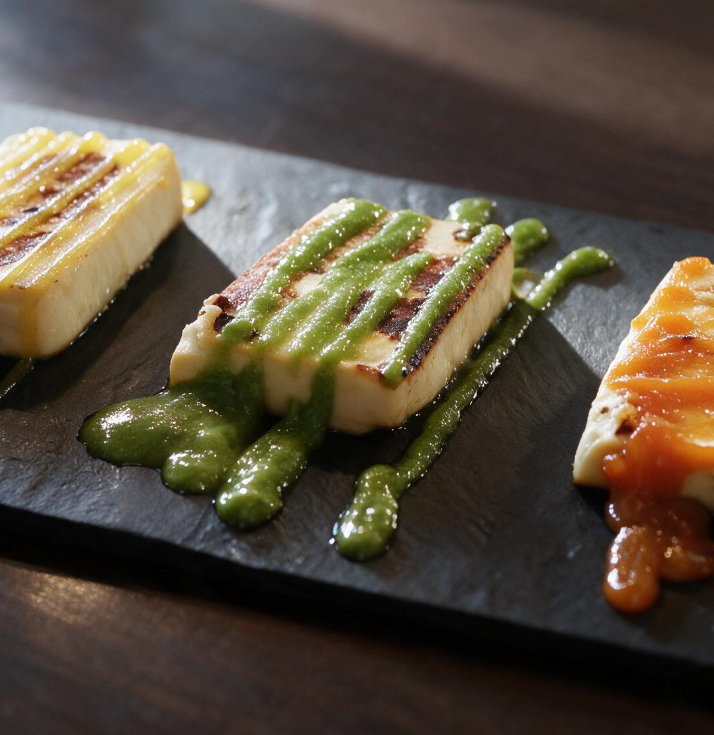
A dish that many guests have never even heard of before their vacation—and regularly miss after their trip. Queso Asado is grilled Canarian goat cheese, usually served with a variety of sauces, ranging from mojo to jams and even honey. A perfect appetizer to share.
Here’s a little extra info: Did you know that we classify the cheese by color here?
Queso Amarillo – simply put, this is almost always Gouda or similar types of yellow cheese.
Queso Blanco – almost always made from goat’s milk and available in all varieties, from fresh and smoked to strongly aged.
Things You’re Guaranteed to Hear
Finally, here are two phrases you’ll come across constantly in everyday life.
“No pasa nada.”
When something takes a few minutes longer. When someone is running late. Or when everything just moves at a more relaxed pace. This phrase, which literally means “nothing is happening,” is the classic way of saying , “Don’t stress. Everything will be fine.”
And of course
“Vale”
While Spaniards usually ask us what the German word “genau” means, visitors quickly ask about the meaning of “vale”.
Literally, it means “it’s worth it,” and it’s generally used for “OK,” “Aaaaah,” “That’s fine,” etc.
Our conclusion:
La Palma isn’t just discovered on spectacular trails or while enjoying the view from Roque de los Muchachos.
You also discover the island in small bars, family-run restaurants, and with dishes whose names you’ve never heard before.
Maybe after your next tour, you’ll order a caña without a second thought, know exactly what an arepa is, and look forward to some queso asado with mojo in the evening.
Then you’ll have truly arrived on La Palma.
And that’s really what traveling is all about. It’s not just about discovering new places—it’s also about getting a little taste of their culture.
P.S.: And if you want to round out the experience, why not ask your guide about Papas Locas—it’s more of an evening thing, and it could be addictive. I know what I’m talking about…

Do you have questions about a stay on the island? Feel free to contact me: for example, you can click HERE to schedule a personal consultation where we can clear up any questions in no time!
See you soon, sunny regards
Silvi
 0034 608 50 70 24
 tienda@mrlp.es



